Farfetch review: is the luxury marketplace worth it?
Farfetch gives you the widest choice in designer fashion, but delivery and returns depend on the seller. Our verdict, scores and buying tips.
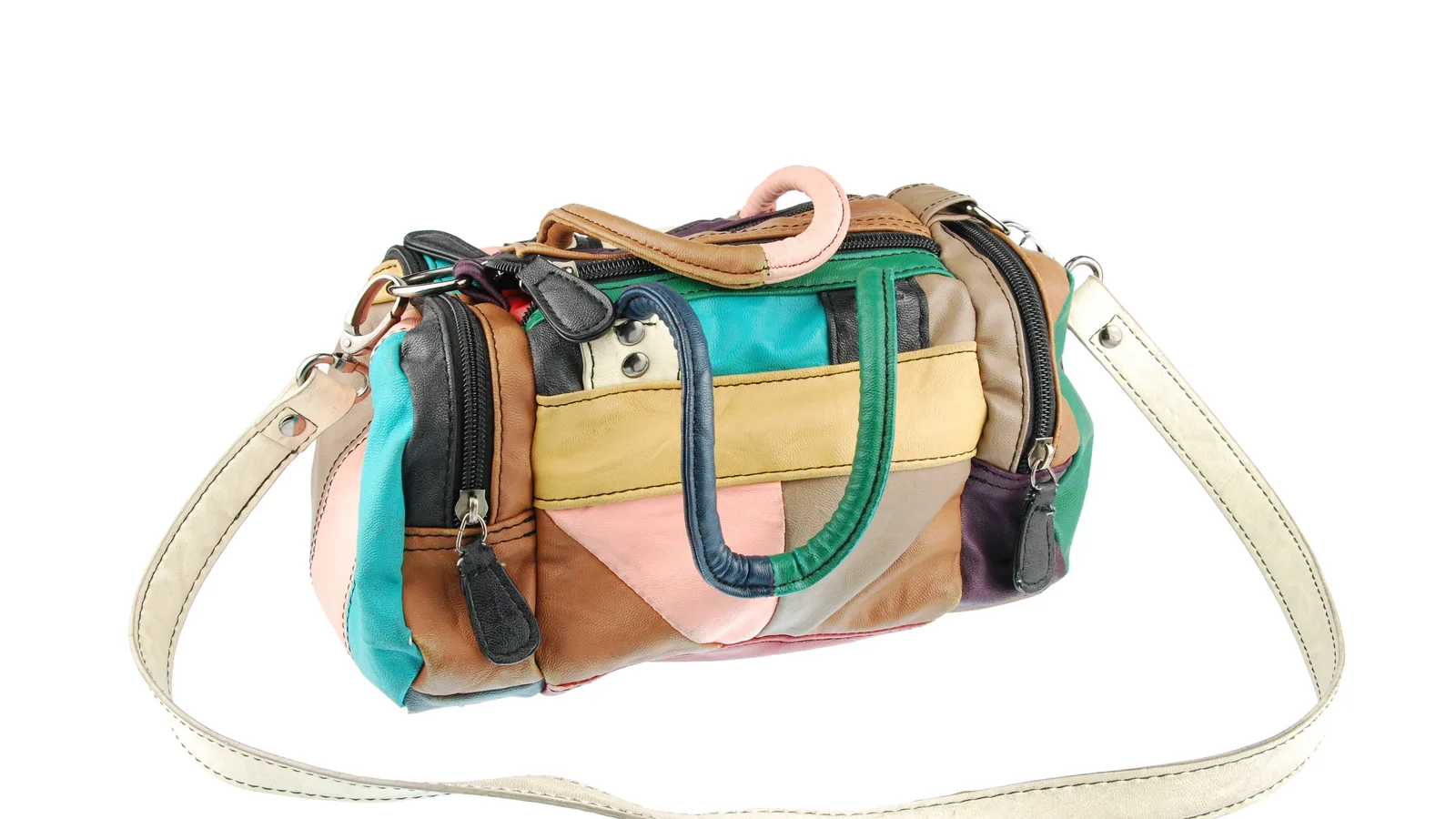
Farfetch review: the short version
Farfetch is not a shop in the way a department store is a shop. It is a marketplace: one website and app where brands and independent luxury boutiques list their stock, and where the piece you buy is dispatched by whichever partner happens to hold it. Founded in London in 2007 and now owned by South Korean e-commerce group Coupang, it has become the default place to look for a designer piece that has sold out elsewhere — the odd size, the last colourway, the coat from two seasons ago.
That structure explains almost everything about the experience, good and bad. The range is extraordinary, the product photography is clean, and a single wishlist spans labels that would otherwise mean a dozen separate websites. But dispatch times, packaging and return terms belong to the seller, not to Farfetch, so two orders placed on the same day can behave completely differently.
Farfetch at a glance
- What it is
- A multi-brand luxury marketplace for clothing, shoes, bags, accessories, fine jewellery and watches
- Founded
- 2007, London
- Owner
- South Korean e-commerce group Coupang, which acquired Farfetch in 2024
- Who sells
- Brands selling directly, plus independent boutiques that dispatch their own stock
- Pricing
- Brand recommended retail prices outside sale periods, with periodic seasonal reductions
- Delivery
- Tracked express couriers, with the fastest option and arrival date shown per item
- Returns
- Set by the seller and the item; final-sale pieces are usually excluded
- Best for
- Sold-out sizes, past-season pieces and browsing across many labels at once
The scores: what Farfetch gets right and wrong
These are the criteria that decide whether a luxury marketplace is worth your money — not how quickly it loads, but whether you get the right piece, at a fair total price, with a route back if it does not fit.
- Range and depth of labels
- 5.0/5
Few rivals match the breadth: established names, niche labels and one-off pieces from independent boutiques all appear in the same search.
- Pricing and reductions
- 3.5/5
Full-price pieces sit at brand RRP, so the value comes from end-of-season markdowns — genuinely deep, but patchy by size and colour.
- Delivery and duty transparency
- 4.0/5
Fast tracked options and duties usually shown at checkout, though shipping is priced per item, so a basket can carry several charges.
- Returns and aftercare
- 3.0/5
Terms follow the boutique that shipped the order rather than one blanket policy, and final-sale pieces are commonly non-returnable.
- Product information
- 3.5/5
Photography is crisp and consistent, but measurements and fit notes are thinner than on a brand's own product pages.
- Customer service
- 3.0/5
One front door for a marketplace of many sellers, which can mean a slower resolution when something goes wrong with an order.
Pros and cons
What works well
- A range no single brand or department store can match, including sold-out sizes and past-season pieces.
- Real reductions at end of season, often deeper than the brand's own markdowns on the same item.
- Duties and taxes are usually calculated at checkout, so the total is closer to the final cost.
- Consistent, well-lit product photography and a tidy app for tracking orders.
- One account, one wishlist and one checkout across every label you follow.
What lets it down
- Stock, dispatch speed and return windows are governed by whichever boutique sends your order.
- Final-sale pieces are frequently non-returnable, and the exclusion is easy to miss before paying.
- Customer service sits between you and the seller, which slows down problems and refunds.
- Fit notes and garment measurements are less detailed than on a brand's own site.
- Outside the sales you pay full RRP, so you are buying choice rather than a bargain.
The pattern is consistent: everything that depends on the platform — search, filters, imagery, payment — is well executed, and everything that depends on an individual seller varies. Judge Farfetch item by item rather than as a single shop.
Range and discovery: where Farfetch earns its place
Where Farfetch genuinely beats a brand's own website is in the long tail. A coat from two seasons ago, a size 39 in a shoe that sold out in a week, a small Italian label with no stockist near you — these are the searches the marketplace was built for. Because stock comes from boutiques as well as brands, the catalogue holds on to pieces that would otherwise have vanished from the brand's site, and the size, colour and price filters work across all of it at once.
It is also a good place to browse without a goal. Edits, new-in pages and a wishlist that spans every label make it easy to move between tailoring and knitwear without opening fifteen tabs. If you already know exactly what you want, that breadth matters less. If you are still deciding, it matters a great deal.
The catch: a marketplace is only as consistent as its sellers
The marketplace model has a price, and it is consistency. Two orders placed on the same day can arrive in different packaging, on different days, from different countries, with different return addresses printed on the label. The product page does name the boutique or brand responsible, but reading it takes a conscious habit — and the return terms attached to that specific item matter far more than any general policy page.
Aftercare is the other soft spot. Farfetch fronts the transaction, but resolving a problem often involves the seller, which means a slower back-and-forth than you would get from a retailer handling its own stock. Budget for that if you are buying something expensive or time-sensitive.
Farfetch compared with other ways to buy designer fashion
| What changes | Farfetch | Brand's own site | Department store | Resale platform |
|---|---|---|---|---|
| Range | Many labels and boutiques in one search | Only that brand's line | A curated mix of labels | Whatever sellers list, often past seasons |
| Price | Brand RRP, with seasonal markdowns | RRP, with occasional member events | RRP, with promotional periods | Set by the seller, usually below RRP |
| Who ships it | The brand or an independent boutique | The brand's own warehouse | The store's warehouse | An individual seller or a resale hub |
| Returns | Set by the seller, with final-sale exclusions | Brand policy, usually straightforward | Store policy, applied consistently | Often limited or none at all |
| Best used for | Tracking down a specific piece or size | Guaranteed consistency and easy exchanges | Seeing pieces in person before buying | Older or sold-out pieces at lower prices |
None of these routes is better in the abstract. Farfetch wins when availability is the problem; a brand's own site wins when certainty is.
Sizing, fit and product pages
Sizing is the biggest single source of returns on any fashion marketplace, and Farfetch's listings are only as good as the seller behind them. Brand sizing is the reliable reference point: a 40 in one label is not a 40 in another, and a marketplace conversion chart will not tell you how something actually sits on the shoulder.
- Use the brand's own size chart for anything structured, tailored or expensive.
- Read the description for garment measurements; where none are given, assume the brand's standard block.
- Check the model's height and the size worn where the listing shows it — that detail is consistent enough to be useful.
- On shoes, start with your usual size in that brand rather than the size you take elsewhere.
- Keep tags attached until you have tried everything on, and leave the packaging intact.
Delivery, duties and returns
Delivery estimates are quoted per item, because the item's location sets the route: a piece held in a London boutique arrives faster than one shipping from Milan or Tokyo. The arrival date shown against your postcode at checkout is the number worth trusting, not the generic promise at the top of the page.
Duties and taxes are usually calculated before you pay, so the figure you confirm is close to the final cost; where they are not prepaid, the courier will collect them before handing over the parcel. Returns follow the seller's terms for that item rather than one blanket policy, and final-sale pieces are often excluded altogether. Read the returns line on the product page before you pay, not after the parcel arrives — that is the single habit that separates a good Farfetch order from a frustrating one.
How to shop Farfetch well
-
Check who is actually selling the item
Every product page names the boutique or brand dispatching the order. That name governs dispatch speed, packaging and your route back if something is wrong.
-
Trust the arrival date, not the shipping banner
Items ship from different countries. The delivery date calculated for your postcode is the useful figure; the headline promise at the top of the page is not.
-
Read the return terms on that specific item
Final-sale and altered pieces are commonly excluded. Confirm the window and the exclusions before you pay, and keep the confirmation email.
-
Size from the brand, not the marketplace
Use the brand's own size chart and any fit notes on the listing. Treat a half-size gap or a 'runs small' note as a reason to change size rather than risk it.
-
Keep the packaging and paperwork
Original box, tags and any authenticity cards are usually required for a return, and they help if you later resell the piece.
When it makes sense to buy — and when to walk away
Farfetch is at its best when you are chasing something specific and hard to find: a sold-out size, a discontinued colourway, a label with no shop near you. It is also strong for browsing in the sales, where reductions on past-season stock can be substantial and the breadth of the catalogue works in your favour.
It is at its weakest when certainty matters more than choice. Buying a final-sale piece you have not tried on, ordering something you need for a fixed date, or spending a lot on a brand whose sizing you do not know are all situations where a single retailer with one returns policy is the safer call. None of that makes Farfetch unreliable. It makes it a marketplace — and marketplaces reward a bit of care.
Farfetch: your questions answered
Does Farfetch sell genuine designer items?
Farfetch works with brands and authorised stockists rather than individual sellers, so pieces are sold as new and authentic. The partner named on each product page is the business you are actually buying from.
Can I return something I bought in the sale?
Often not. Final-sale and heavily reduced pieces are frequently excluded from returns, and the exclusion appears on the product page rather than at checkout, so check before you pay.
Will I be charged customs duty when the parcel arrives?
Farfetch aims to calculate duties and taxes at checkout so the price you confirm is the final one. Where an order ships without prepaid duties, the courier will collect the local charges before delivery.
Do all the items in one order arrive together?
Not necessarily. If your basket includes pieces from different boutiques, they are dispatched separately and may arrive on different days in separate parcels, each with its own tracking.
Is Farfetch cheaper than buying from the brand directly?
Outside the sales, prices generally match the brand's recommended retail price. The savings appear at the end of the season, when Farfetch reductions can undercut the brand's own markdowns on the same piece.
Related articles
Harrods review: is the Knightsbridge institution worth it?
Our verdict on Harrods: what the Knightsbridge department store does best, where it falls short, and how to shop it without overspending.

Mulberry Bayswater Review: The Icon That Earns Its Keep
Our honest Mulberry Bayswater review covers the leather, capacity, weight and resale of this British classic — and who should buy it.

NET-A-PORTER review: is the luxury fashion site worth it?
Our NET-A-PORTER review weighs the curated designer edit, delivery and returns against the full prices and the lack of try-on options or discounts.