Platinum vs Gold: Which Metal Should You Choose?
Platinum versus gold compared on colour, weight, durability, upkeep and cost, plus clear advice on which metal suits rings, chains and daily wear.
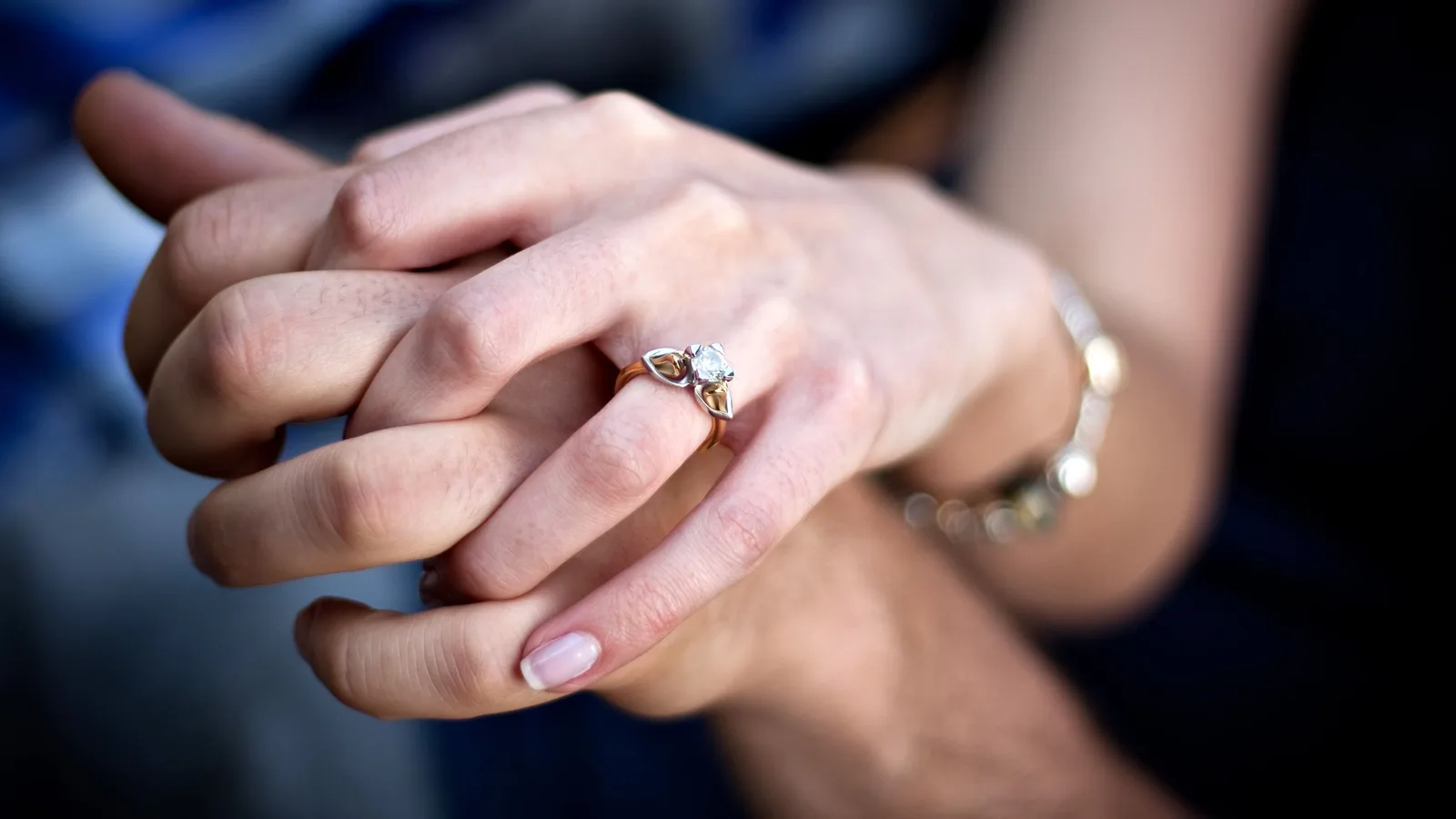
The verdict, up front
Platinum and gold sit at the top of most fine-jewellery shortlists, and the choice settles far more than colour. It decides how heavy a ring feels, how often it needs attention, whether it can be resized easily and how it will look in ten years. Both are precious metals, both are hallmarked in the UK, and both can be worn daily — but they age in very different ways.
If you want the short version: platinum takes the win for pieces worn every day, gold takes the win for everything else.
How platinum and gold differ
| Point of comparison | Platinum | Gold |
|---|---|---|
| Typical purity | Pt950 — 95% platinum, the UK norm; Pt900 also exists | 9ct (37.5%), 18ct (75%) or 22ct (91.6%); 14ct appears on some imported pieces |
| Colour | Naturally white with a faint grey cast, never plated | Yellow, white or rose depending on the alloy; white gold is rhodium-plated |
| Weight in the hand | Dense and heavy — the same design weighs noticeably more | Lighter, especially in 9ct |
| How it wears | Scratches push the metal aside rather than remove it, so a patina forms and very little is lost | Softer carats gradually wear away; 22ct shows scratches fastest |
| Routine upkeep | Clean and occasionally polish; nothing to re-plate | White gold needs re-plating every few years; yellow and rose gold only need cleaning |
| Skin sensitivity | Rarely a problem; usually the safest choice for reactive skin | Depends on the alloy — nickel or cobalt in some alloys is a common trigger |
| Resizing and repair | Possible, but needs a workshop used to platinum's high melting point | Routine work for most jewellers, including high-street benches |
| Design range | Mostly plain, architectural, white-metal settings | Vast — vintage, engraved, filigree, two-tone and gem-set styles |
| Cost | More per gram, and denser pieces use more of it | Less per gram; 9ct is the most affordable route into gold |
How platinum scores, criterion by criterion
Each score below rates platinum out of five; the note tells you where gold gets ahead.
- Colour choice
- 2.0/5
Platinum is white or nothing. Gold gives you yellow, rose and white, and white gold can be plated to the tone you want.
- Durability in daily wear
- 5.0/5
Platinum holds prongs and settings longest and loses almost no metal; 18ct is the best gold equivalent, 22ct the softest.
- Low maintenance
- 4.5/5
No plating to renew, though fine scratches build into a matte patina that some people dislike.
- Comfort and weight
- 3.5/5
Heavy and reassuring in a ring; less comfortable in large earrings or a wide bangle, where gold's lightness helps.
- Value for money
- 3.0/5
You pay more per gram and use more grams per piece. The premium buys purity and wear, not extra sparkle.
- Design range
- 2.0/5
Largely a plain white-metal choice. Fashion-led, engraved, filigree and two-tone designs are overwhelmingly gold.
Where platinum earns its keep
- It stays white without help. There is no rhodium layer to wear through, so a platinum ring in year ten looks like a platinum ring, not a patchy one.
- It is the kinder metal for reactive skin. At 95% purity there is very little alloy present to cause a reaction.
- Settings hold firm. Platinum's stiffness keeps claws tight around stones, which is why it is so common in engagement rings.
- It ages into a patina rather than wearing out. Scratches move metal instead of removing it, so a band keeps its substance.
- It feels substantial. The density is obvious the moment you pick a piece up — a quality many buyers actively want.
Where gold wins
- Colour. Yellow, rose, white and two-tone — platinum cannot offer a warm tone at all.
- Price of entry. Gold costs less per gram, and 9ct less again, which makes larger or more elaborate designs affordable.
- Design vocabulary. Vintage settings, hand engraving, filigree, granulation and mixed metals are gold's home ground.
- Workability. Resizing, re-tipping claws and engraving are everyday jobs for any competent jeweller.
- Lightness for statement pieces. Hoops, wide bangles and big pendants stay wearable in gold where platinum would drag.
- Sentiment and tradition. For many families gold is simply the wedding metal, and inherited pieces are almost always gold.
Strengths and trade-offs, side by side
Why platinum wins
- Naturally white — no rhodium plating to renew.
- Very low reactivity, so it suits sensitive skin.
- Dense and rigid, holding stones and settings securely.
- Loses almost no metal to wear over the years.
- Ages into a patina rather than a worn-down shape.
What platinum costs you
- A higher price per gram, plus more grams per piece.
- Noticeably heavier, which some wearers find tiring.
- Scratches show as a matte haze on polished surfaces.
- Fewer jewellers can resize or repair it confidently.
- Only available in white metal, with a limited design range.
Why gold still wins
- Yellow, rose and white tones, plus two-tone combinations.
- A lower price of entry, with 9ct as the affordable option.
- The widest design range, from vintage to contemporary.
- Easy, inexpensive resizing and repair almost anywhere.
- Light enough for large earrings, bangles and pendants.
Where gold falls short
- White gold needs re-plating every few years to stay bright.
- Softer carats wear away, and 22ct dents and scratches readily.
- Some alloys irritate reactive skin.
- Claws and settings wear thinner faster than platinum's.
- Lower carats carry less fine gold, which affects resale value.
So who should choose which?
Choose platinum if the piece will rarely leave your hand: an engagement ring, a wedding band, a signet you wear daily. It is also the sensible pick if you have reacted to other jewellery, if you want cool white metal without maintenance, or if you are buying once and want the ring to still look right in twenty years. Expect to pay more and to hunt a little harder for a jeweller who works with it.
Choose gold if colour matters, if you want a piece that feels warm against the skin, or if the design you love simply doesn't exist in platinum. It is also the better choice for statement earrings and bangles, for anything likely to need resizing, and for a first fine piece where 9ct or 18ct keeps the budget sensible. If you go white, budget for re-plating every few years.
Before you commit: practical checks
- Read the hallmark. Platinum is stamped 950 (or 900); gold shows its carat as 375 for 9ct, 750 for 18ct and 916 for 22ct.
- Ask what the white metal is. Platinum and white gold photograph identically; the price and the upkeep are not the same.
- Think about carat for daily wear. 22ct is beautiful and soft — lovely for bangles and occasional pieces, too tender for a ring worn constantly. 18ct is the practical compromise.
- Check resizing before you buy. Full eternity bands and heavily patterned shanks may not be resizable in either metal.
- Stack with care. Harder metals gradually mark softer ones, so a platinum band worn against 22ct gold will leave its trace.
- Buy for wear, not as an investment. Both metals have scrap value tied to their content, but retail prices are well above it.
Platinum vs gold: common questions
Is platinum harder than gold?
Not in the way most people mean. Platinum scratches readily, but it displaces metal instead of losing it, so a band keeps its weight and its settings stay tight. Think of it as more durable in wear, not more scratch-resistant.
Can a platinum ring be resized?
Usually, yes, but it needs a jeweller experienced with platinum because of its much higher melting point. Fully set eternity bands and some patterned shanks can't be resized in either metal.
Is white gold the same as platinum?
No. White gold is gold alloyed with pale metals and plated with rhodium to brighten it. Platinum is a separate metal, naturally white, normally used at 95% purity and never plated.
Which is better for sensitive skin?
Platinum is generally the safer bet because it is used at very high purity. Reactions to gold usually come from the alloying metals, so a high-carat yellow gold is often fine while a low-carat white gold is not.
Does 22ct gold work for an everyday ring?
It is the softest common carat and will dent and scratch with normal wear. It suits bangles, chains and occasional pieces beautifully; for a ring worn daily, 18ct holds up far better.
Which metal holds its value better?
Neither is an investment. Resale depends on metal content and the market price at the time, and both usually fetch well below retail. Buy the metal you want to wear.
Related articles

Boot Cut Jeans vs Flare: Which Cut Should You Wear?
Boot cut jeans or flares? We compare leg line, hem width, footwear and styling, name the overall winner and explain who each cut suits best.

Coat vs jacket: which one should you buy?
Coats and jackets compared on warmth, length, formality and versatility, with a clear overall winner and guidance on which one suits your wardrobe.

Gold vs Silver Jewellery: Which Should You Choose?
Gold or silver jewellery? We compare tone, durability, price, tarnish and skin sensitivity, then name the metal that suits most people best.