The Best Men's Winter Boots for Snow, Slush and Ice
Snow, slush and gritted pavements: five men's winter boots that actually cope, from the Sorel Caribou to the L.L.Bean Bean Boot, compared.
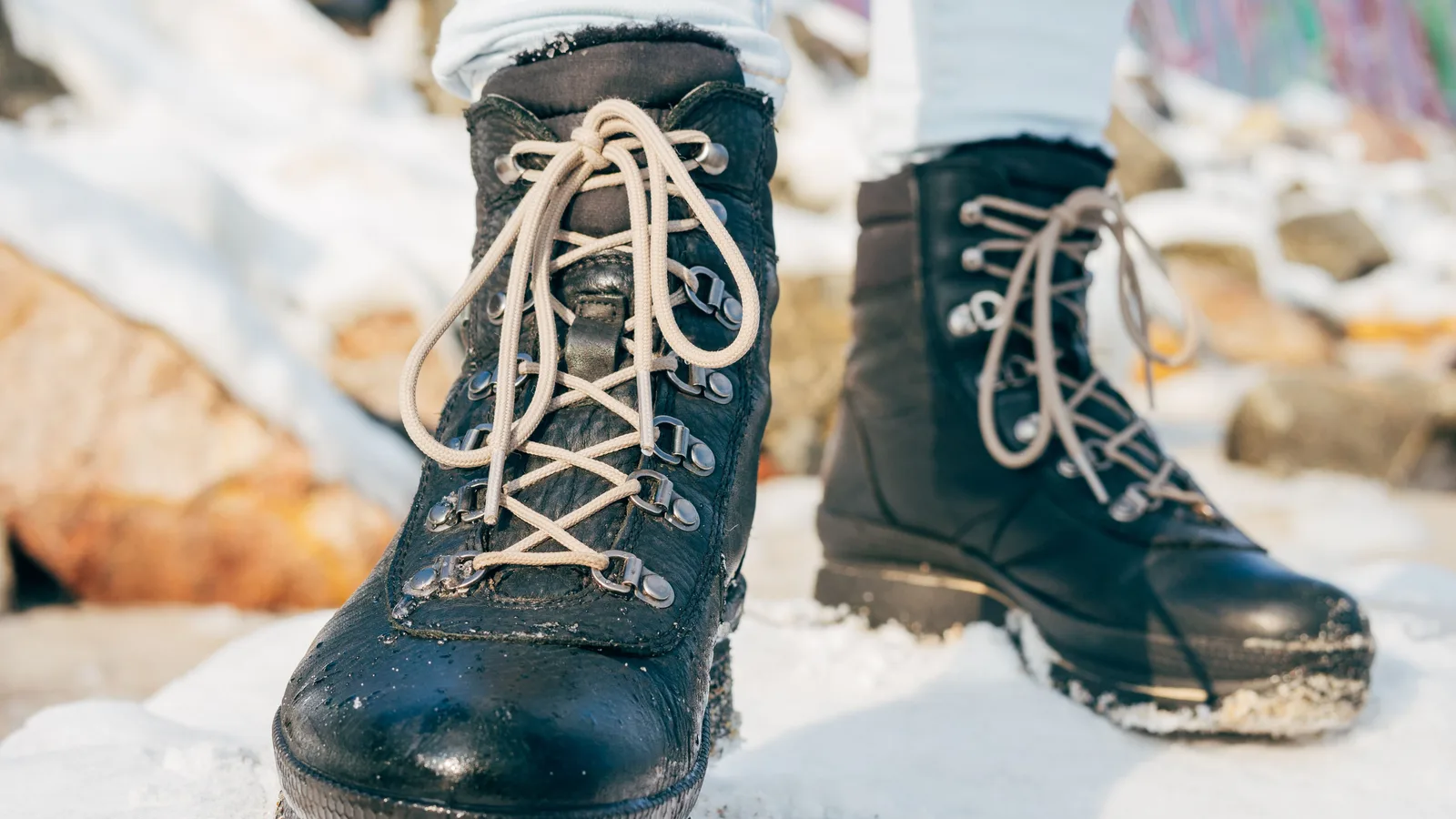
Snow boots for British winters: the quick answer
British snow is rarely the deep, dry powder of a ski-resort poster. It arrives as an inch or two, gets walked into grey slush by nine in the morning, and sits on a layer of grit, salt and puddles. A winter boot here has to do two jobs at once: keep water out and warmth in, without making you look like you're heading for base camp.
The five below cover the realistic ways men actually wear boots in the snow — clearing the drive, walking to the station, a weekend in the hills, or a few days in a resort where the boots are half the outfit.
- Sorel Caribou — the most capable all-rounder when the snow is deep and lies for days.
- L.L.Bean Original Bean Boot — the slush specialist for wet pavements and muddy lanes.
- Timberland 6-Inch Premium Waterproof — the pair you can wear to the office on a Tuesday.
- Danner Mountain 600 — the pick for long walks and uneven, snow-covered ground.
- Moon Boot Icon — the statement pair for après-ski and cold, dry days.
If you read only one line: the Sorel Caribou for real snow, the Bean Boot for wet British cities, the Timberland if you want a single pair that does both without looking technical.
The five best men's winter boots for snow
Best overall for deep snow
Sorel Caribou
The Caribou is the boot most people picture when they think of a proper snow boot, and it is still the one to beat. Seam-sealed waterproof construction with a moulded rubber shell means standing slush doesn't stand a chance, the removable felt liner adds warmth and lifts out to dry overnight, and the tall shaft keeps snow from going over the top. The trade-off is bulk: it's heavy and stiff, and feels like overkill on a dry high street. For a snowy drive, a January trip to the mountains, or anywhere the snow lies rather than melts, it's the safest money in this list.
Why it earns top spot
- Seam-sealed waterproof build with a rubber shell that copes with standing slush
- Removable felt liner dries overnight and can be washed
- Tall shaft and a proper lug outsole for packed snow
- Liners can be replaced if they wear through
Where it falls short
- Heavy and stiff — not a boot for a long city walk
- Bulkier and more technical-looking than most outfits want
- Warm enough that feet overheat indoors
Best for slush and wet pavement
L.L.Bean Original Bean Boot
The Bean Boot has been made in Maine since 1912 — leather uppers hand-sewn to a rubber chain-tread bottom — and it makes more sense for a British city winter than almost anything else here. The rubber foot handles puddles and wet slush, the leather upper breathes far better than a full rubber boot, and the chain tread grips well on wet pavement and mud. It is not a deep-snow boot: the shaft is short and the leather is only water-resistant above the rubber. Think of it as the ideal boot for a wet, messy, mild winter rather than an Arctic one.
What it does well
- Rubber bottom and chain tread cope with puddles, slush and mud
- Leather upper breathes, so feet don't cook once you're inside
- A timeless shape that works with jeans, chinos and a wool coat
- Can be resoled rather than replaced
What to accept
- Short shaft — ankle-deep snow is the limit
- Little built-in insulation, so you'll want thick socks
- The fit is roomy, so try before you buy if you can
Best everyday winter boot
Timberland 6-Inch Premium Waterproof Boot
If you want one pair that copes with a snowy commute and still looks right under an overcoat, this is the obvious answer. Waterproof leather with sealed seams keeps the wet out, the padded leather collar is comfortable from the off, and the lugged rubber outsole grips on wet paving and packed snow. The ankle-height shaft is the limitation: this is a pavement boot, not a drift boot. Expect a short break-in period, and keep on top of cleaning if you want the leather to stay supple.
Strengths
- Waterproof leather with sealed seams
- Lugged rubber outsole with reliable grip on wet paving
- Sits comfortably with everything from denim to tailoring
- Padded collar makes it easy to wear all day
Weaknesses
- Ankle height only — deep snow comes over the top
- Leather needs cleaning and reproofing through the winter
- Firm out of the box, so give it a week or two
Best for walking and uneven ground
Danner Mountain 600
A proper hiking boot in a leather body, which is exactly what you want when the snow is on a footpath rather than a pavement. A waterproof, breathable liner keeps feet dry, the Vibram Fuga outsole has deep, spaced lugs that clear mud and bite into packed snow, and the whole thing is lighter and more flexible than old-school leather mountain boots. It gives real support over a full day on the hills. It also looks like a walking boot, which rules it out for anything smarter than a pub lunch.
Strengths
- Waterproof, breathable liner that doesn't turn into a sauna
- Vibram outsole with deep lugs for packed snow and mud
- Supportive enough for a full day on the hills
- Lighter and more flexible than traditional leather mountain boots
Weaknesses
- The hiking-boot look limits what it goes with
- A premium price for a boot you may only wear at weekends
- Needs regular cleaning and proofing to keep the leather supple
Best statement pick for après-ski
Moon Boot Icon
Not a sensible boot in the traditional sense, but it does one thing beautifully: it looks right in a resort and keeps feet warm on cold, dry days. The Icon is a lightweight foam-and-nylon build with a water-repellent upper, a soft lining and a suction sole. It pulls on and off easily, packs reasonably flat and is sized unisex, so check the conversion carefully. It is not the boot for a slushy British high street, and it has very little to offer on ice.
Strengths
- Warm, soft and genuinely comfortable for pottering around a resort
- Water-repellent upper copes with dry snow and cold
- A distinctive look that's part of the outfit, not an afterthought
- Lightweight and easy to pack
Weaknesses
- Not built for wet slush or long walks
- Minimal grip on ice
- Impractical for driving
How the five compare
| Boot | Best for | Water protection | Warmth |
|---|---|---|---|
| Sorel Caribou | Deep snow and hard cold | Seam-sealed build with a rubber shell | High — removable felt liner |
| L.L.Bean Bean Boot | Slush, mud and wet pavements | Rubber foot; leather above is water-resistant | Low to moderate — room for thick socks |
| Timberland 6-Inch Premium | Everyday city wear | Waterproof leather with sealed seams | Moderate — padded leather collar |
| Danner Mountain 600 | Long walks and snowy footpaths | Waterproof liner under a leather upper | Moderate — depends on your socks |
| Moon Boot Icon | Resort wear and dry cold | Water-repellent upper only | High — soft insulated lining |
What actually matters when choosing
- Waterproof versus water-resistant. A rubber shell or a seam-sealed leather boot keeps water out. A water-repellent finish only shrugs off a shower; it will soak through in slush. Read the description carefully, because the two get used interchangeably.
- Insulation and liners. Removable liners are the practical choice — they dry out overnight and can be washed. Too much insulation is counterproductive: feet sweat, socks get damp and you end up colder.
- Outsole and grip. Deep, widely spaced lugs clear snow and mud; a softer rubber compound grips better on cold pavement. A defined heel helps when you're walking down a slope.
- Shaft height. Above the ankle is the minimum for lying snow; anything taller becomes a nuisance in town and when driving.
- Weight and stiffness. A supportive boot is tiring if you're on your feet on concrete all day; a light city boot is miserable on a hillside.
- Fit with socks. Buy for the sock you'll actually wear. A winter boot that's tight across the toe is a cold boot, full stop.
- Grip on packed snow and ice
- 5.0/5
The failure that actually hurts. Lug depth and rubber compound matter far more than branding.
- Waterproofing
- 5.0/5
British snow turns to slush fast, and slush finds every seam. This is the one thing not to compromise on.
- Warmth for the cold you'll really face
- 4.5/5
Enough for a waiting-platform wind, not so much that your feet sweat on the walk there.
- Comfort over a full day
- 4.0/5
A stiff boot you avoid wearing is worse value than a slightly less rugged one you reach for daily.
- Looks with what you already own
- 3.5/5
A boot that works with your coat gets worn; one that doesn't stays in the hall.
- Weight
- 3.0/5
Worth counting, but nobody has ever got frostbite from carrying an extra 300g.
Fit, sizing and keeping them alive
Sizing. Leave roughly a thumb's width between your longest toe and the front of the boot, with your winter socks on. Tight boots restrict circulation, and cold feet are usually a fit problem rather than an insulation problem.
Socks. Wool or a wool-rich blend, not cotton. Wool keeps warming when damp; cotton doesn't, and it holds sweat against the skin.
Drying. Take the liners out if you can, stuff the boots loosely with newspaper and leave them in an airy spot. Never on a radiator or by a fire — leather cracks and seams dry out.
Salt stains. Wipe the white tide marks off with a cloth dampened in diluted white vinegar, let the leather dry naturally, then condition it. Deal with them sooner rather than later; salt left in the leather draws moisture and eventually cracks it.
Reproofing. Wax or spray leather boots before the season starts and again mid-winter. Rubber shells need nothing more than a rinse and a dry.
The final verdict
Frequently asked questions
Are snow boots overkill for a British winter?
Often, yes. Most UK winters bring wet slush and grit rather than deep snow, so a waterproof leather boot with a proper lug sole covers the majority of days. Keep a rubber-shell boot for the weeks when snow actually settles.
How much room should there be in a winter boot?
Enough to wiggle your toes and wear a thick wool sock without your toes pressing the front — roughly a thumb's width at the toe. Boots that are too tight restrict circulation, which makes your feet colder rather than warmer.
Can I wear snow boots indoors?
Take them off at the door. Grit and salt trapped in the tread scratches floors, and the moisture they carry soaks into whatever they stand on. Warm boots also become uncomfortably hot within minutes indoors.
Do leather winter boots need reproofing?
Yes, if the upper is leather. Wax or a spray-on proofer before the season begins and again mid-winter keeps water beading and stops the leather drying out. Rubber-shell boots just need rinsing and air-drying.
What socks should I wear in winter boots?
Wool or a wool-rich blend. Wool keeps insulating when it gets damp, while cotton holds sweat against the skin and makes feet feel cold. A thin liner sock under a thicker wool one helps if you're prone to blisters.
Are Moon Boots waterproof?
The Icon has a water-repellent upper rather than a waterproof one. That's fine for dry snow and cold resort pavement, but slush will eventually soak through, and the sole offers very little on ice.
Related articles
The Best Anniversary Gifts: Five Luxury Picks That Last
Five luxury anniversary gifts that earn their keep, from a Cartier Love bracelet to an Hermès silk carré — plus how to choose and personalise.

Best Bike Shorts: 5 Pairs Worth Wearing Off the Bike
The best bike shorts for wearing off the bike, from buttery everyday pairs to polished knit styles, with fit, rise and styling advice.

Best Brand Sunglasses: 5 Picks Worth the Money
From the Ray-Ban Wayfarer to Persol, Tom Ford and Oakley, we compare five brand sunglasses on fit, lens quality and styling to help you choose.