The Best Summer Dresses to Wear All Season
Five summer dresses worth buying for British heat and holidays, from crisp linen midis to bias-cut slips — with honest notes on fit, fabric and styling.
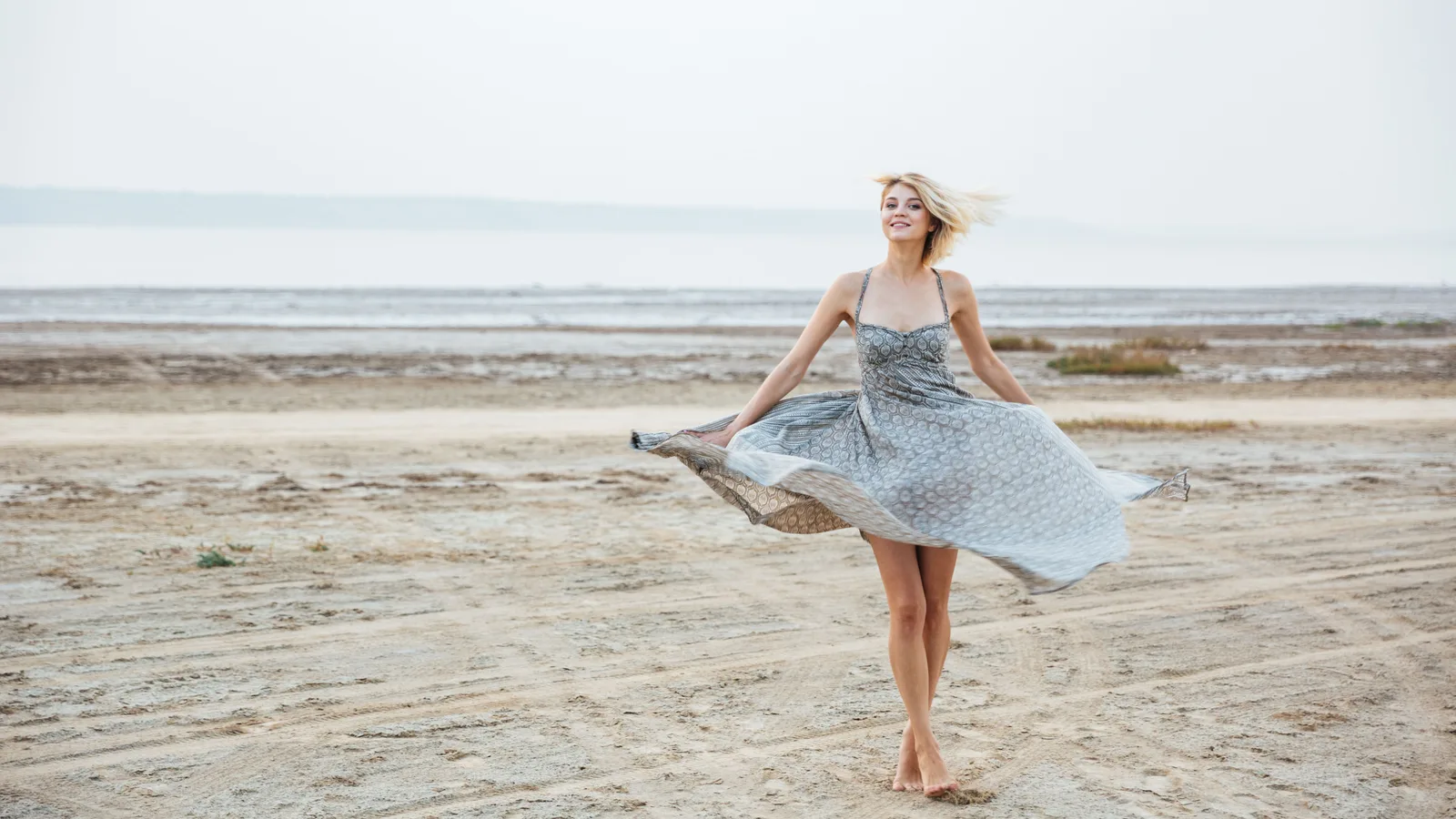
The quick answer: which summer dress should you buy?
A summer dress has to do more than look good in a photograph. It needs to survive a hot train, a grassy picnic and a sudden evening chill, and it needs to work with the shoes you already own. The five below cover the realistic ways most people wear a dress between May and September.
- One dress that does the most work: Reformation Juliette Linen Dress — fitted bodice, midi skirt, endlessly re-wearable.
- The no-brainer everyday dress: Hill House Home The Nesli Nap Dress — pull it on, done.
- For evenings and hot holidays: Réalisation Par The Gia Dress — a bias-cut slip that comes alive after six.
- For weddings and big occasions: Zimmermann Matchmaker Dress — the statement pick.
- For city days and office-to-dinner: Ganni Cotton Poplin Midi Dress — crisp, structured, hardwearing.
1. Reformation Juliette Linen Dress: best overall
Best overall
Reformation Juliette Linen Dress
The dress most people picture when they imagine a summer dress that works hard: a fitted bodice, short puff sleeves and a midi skirt in linen, cut to skim rather than cling. Reformation makes the Juliette in a rotating set of colourways, so the exact shade changes from season to season while the shape stays put. It reads polished enough for a garden party and relaxed enough for a Saturday market, which is exactly what cost per wear is made of.
What we like
- Linen keeps its shape and looks better slightly rumpled than pressed flat
- Midi length works with flat sandals, block heels and trainers
- The shape is straightforward to style — a basket bag and you're finished
What to weigh up
- Linen creases, particularly across the lap after sitting down
- A fitted bodice leaves less room for a long lunch
2. Hill House Home The Nesli Nap Dress: best throw-on
Best throw-on everyday dress
Hill House Home The Nesli Nap Dress
The Nap Dress began as something to wear at home and turned into a summer uniform. The Nesli has a smocked bodice, ruffled straps and a full midi skirt, so it pulls on in seconds with no zip and no structured waistband to negotiate. In cotton poplin it holds its shape through a picnic, a long train journey or a day on the beach over a swimsuit, and it looks as right with flat sandals as it does with espadrilles.
What we like
- Pull-on smocked bodice with no fastenings to fight with
- The full skirt and ruffled straps flatter without shapewear
- Easy to layer over swimwear or under a light knit
What to weigh up
- Smocking can feel bulky under a jacket or a heavy knit
- The prints do the talking, so plain-dress fans have slimmer pickings
3. Réalisation Par The Gia Dress: best for evenings
Best for evenings and holidays
Réalisation Par The Gia Dress
A bias-cut slip with fine straps and a midi hem — the dress to reach for when the temperature climbs and the plan runs past dinner. The Gia is Réalisation Par's signature slip: fluid, close to the body and cut on the bias so it moves with you rather than gripping. It is the least forgiving of the five and the most useful after six o'clock, working with flat leather sandals and a basket bag by day, then heeled mules at night.
What we like
- The bias cut skims the body instead of clinging to it
- One change of shoes takes it from beach lunch to dinner
- Folds down to nothing in a carry-on
What to weigh up
- Fine straps and fluid fabric demand smooth, seam-free underwear
- Not the dress for a windy seafront or a picnic on the grass
4. Zimmermann Matchmaker Dress: best statement splurge
Best statement splurge
Zimmermann Matchmaker Dress
If you want one dress to do the talking — a summer wedding, a milestone birthday, a holiday dinner where cameras will be out — Zimmermann's Matchmaker line is the one to try. It brings structure through the bodice, ruffled trims and a print that reads unmistakably as an occasion. It is an investment and it is nowhere near as versatile as the Juliette, but nothing else here lifts a room as quickly.
What we like
- Occasion-ready without needing a jacket or a jewellery strategy
- Distinctive enough that you are unlikely to spot it on three other guests
- The kind of dress that gets photographed and kept
What to weigh up
- Hard to dress down — it wants an event in the diary
- Higher maintenance than cotton or linen, so read the care label before you commit
5. Ganni Cotton Poplin Midi Dress: best for city days
Best for city days
Ganni Cotton Poplin Midi Dress
Poplin is the fabric that holds a shape in humidity, and Ganni uses it for dresses with a bit of attitude: a defined shoulder, a full skirt and a midi hem that works with trainers as readily as sandals. This is the pick for a summer of office days, gallery afternoons and early dinners where a slip dress would feel too bare. Cotton poplin also copes with a washing machine far better than linen or silk — check the label, but this is the least precious of the five.
What we like
- Crisp poplin still looks intentional on a sticky, thundery day
- Dresses up with gold jewellery and down with trainers
- More hardwearing than linen or silk, so it suits frequent wear
What to weigh up
- Poplin feels stiff until it has been washed a few times
- A full skirt needs managing on a windy commute
The five picks side by side
| What to compare | Reformation Juliette | Hill House Nesli | Ganni Poplin |
|---|---|---|---|
| Where it earns its keep | Garden lunches, holidays, weekend wanders | Home, beach, travel days, errands | Office, city weekends, early dinners |
| Fabric character | Linen — softens with washing, creases readily | Cotton poplin — holds a full, gathered skirt | Cotton poplin — crisp, with more structure |
| How much styling it needs | Barely any: sandals and a basket bag | None: it is a one-step dress | A light knit or jacket once the sun drops |
| Watch out for | Creasing across the lap | Smocked bodice bulk under layers | Volume in wind and on stairs |
| What to compare | Réalisation Par Gia | Zimmermann Matchmaker |
|---|---|---|
| Where it earns its keep | Dinner, evenings, hot holidays | Weddings, parties, milestone birthdays |
| Fabric character | Fluid bias-cut slip, fine straps | Structured bodice, ruffled trims, statement print |
| Styling effort | Low by day, a heel and earrings by night | Minimal — the dress is the outfit |
| Watch out for | Visible underwear lines | Price per wear if the diary is empty |
Read across the two tables and the pattern is clear: the Reformation and the Nesli are the ones you will wear on repeat, while the Gia and the Zimmermann are the ones you buy for a specific kind of day. The Ganni sits neatly between the two camps as the dress that handles a working week.
How to choose a summer dress that actually gets worn
Start with fabric, because it decides how the dress behaves from June to September.
- Linen is the most breathable and the most relaxed, but it creases — buy it knowing you will look slightly rumpled by four o'clock.
- Cotton poplin holds a shape and takes a wash, which makes it the best choice for hot cities and long days out.
- Viscose, silk and bias-cut satins feel coolest against the skin but show every seam and mark, and need gentler handling.
- Blends are the quiet compromise: a little synthetic content cuts down creasing without turning the dress into a sauna.
Then work through the practical questions in order. Which bra you already own will rule out half the necklines on the rail, so decide that before you fall for a dress. Check the care label — a dress that needs dry cleaning after every wear is a different proposition from one that goes in at 30 degrees. Hold pale, unlined fabric up to the light, because thin cotton and linen can turn transparent in direct sun. And think about the shoes you actually wear: a midi that hits the widest part of your calf will look wrong with flats, while one that falls just below the knee works with nearly everything.
Finally, be honest about your summer. A print you love but only wear to weddings costs more per wear than a plain linen midi you throw on twice a week. If you want one dress to cover both, choose a solid colour in a fabric with some body — it will dress up with jewellery and down with sandals, which is how most good summer wardrobes actually work.
Summer dress questions, answered
Which fabric is coolest for a summer dress?
Linen and cotton are the most breathable, and a loose cut matters as much as the fibre. Viscose and silk feel cool to the touch but show perspiration more readily and need gentler washing.
Should a summer dress be lined?
Not necessarily — plenty of pale linen and light cotton dresses are unlined. Hold the fabric up to the light before buying; a simple half-slip solves transparency without adding much warmth.
What length is most useful in the UK?
A midi is the most versatile: it covers the knee when the weather turns and works with flats or heels. Maxi lengths suit heatwaves and holidays, while minis are best kept for city evenings.
How do I pack summer dresses without creasing them?
Roll each dress rather than folding it, keep heavier items at the bottom of the case, and hang everything in a steamy bathroom for ten minutes after you arrive.
Can a slip dress work for a daytime event?
Yes. Keep it flat and casual with sandals and an overshirt or fine knit, then swap to heels and a small bag if the day runs into the evening.
Related articles
The Best Anniversary Gifts: Five Luxury Picks That Last
Five luxury anniversary gifts that earn their keep, from a Cartier Love bracelet to an Hermès silk carré — plus how to choose and personalise.

Best Bike Shorts: 5 Pairs Worth Wearing Off the Bike
The best bike shorts for wearing off the bike, from buttery everyday pairs to polished knit styles, with fit, rise and styling advice.

Best Brand Sunglasses: 5 Picks Worth the Money
From the Ray-Ban Wayfarer to Persol, Tom Ford and Oakley, we compare five brand sunglasses on fit, lens quality and styling to help you choose.